Headache care can involve several considerations because discomfort may be influenced by physical, lifestyle, and environmental factors. For individuals experiencing recurring headaches, understanding the relationship between the neck, spine, posture, and movement can provide a broader perspective on wellness. Chiropractic approaches often examine these areas while considering the individual’s symptoms and physical condition. In this context, Dr. John Pispidikis represents an approach that connects chiropractic techniques with a thoughtful perspective on headache care.
Understanding the Chiropractic Perspective
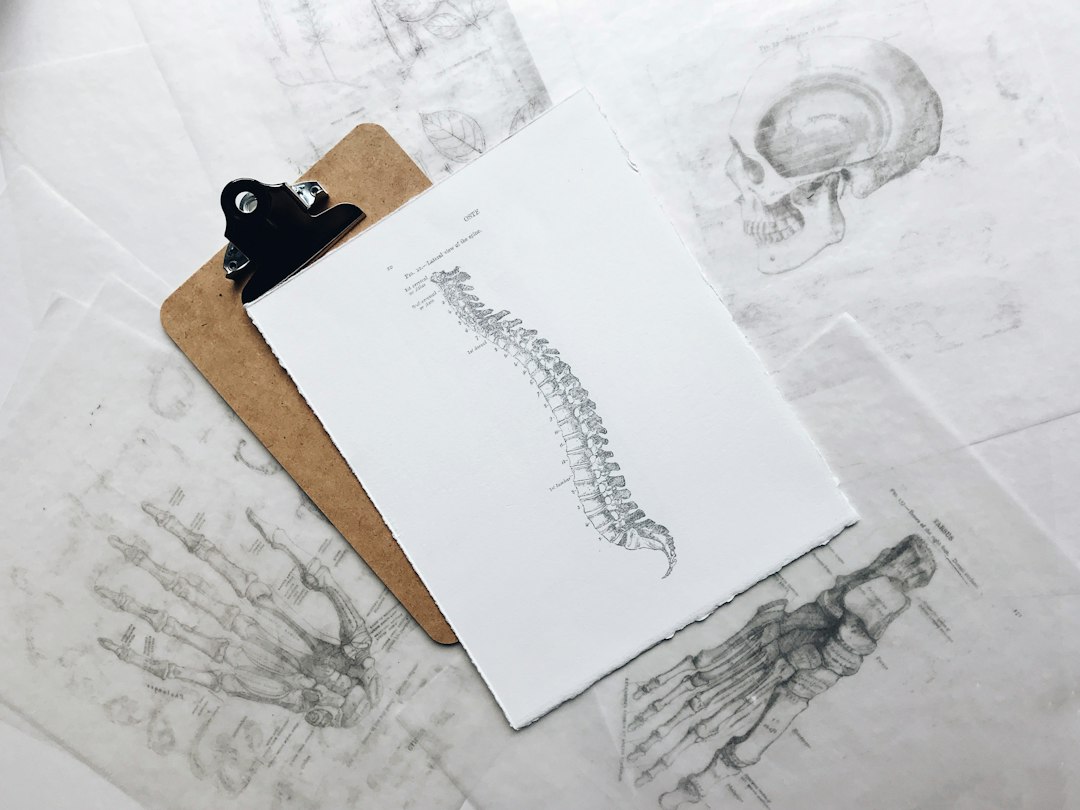
The cervical spine plays an important role in supporting the head and allowing everyday movement. Muscles, joints, connective tissues, and nerves in this region work together to provide stability and mobility. When movement becomes restricted or muscular tension develops, some individuals may experience discomfort involving the neck and head.
Chiropractic care may begin with an evaluation of movement, posture, range of motion, and areas of muscular tension. Understanding these physical patterns can help create a more individualized approach. Rather than applying the same strategy to everyone, care can be considered according to the person’s symptoms, activities, and overall physical needs.
Connecting Neck Function With Headache Concerns
Many everyday activities place demands on the cervical region. Extended computer use, frequent mobile-device use, driving, repetitive tasks, and prolonged sitting can influence posture and movement habits. Over time, these patterns may contribute to stiffness or muscular fatigue for some people.
Considering the relationship between neck function and headache concerns can therefore be useful when developing a comprehensive strategy. Dr. John Pispidikis emphasizes the importance of examining physical function as part of the broader picture, allowing attention to extend beyond the immediate location of discomfort.
Chiropractic Techniques and Individual Needs
Chiropractic care can include techniques intended to support mobility and musculoskeletal function. The specific approach may depend on an individual’s physical presentation, comfort level, and goals. A professional assessment can help determine which areas require attention and whether chiropractic care is appropriate.
An individualized approach may also incorporate movement guidance and recommendations designed to support healthier physical habits. The emphasis is not simply on addressing a current concern but on helping individuals understand factors that may influence their everyday physical well-being.
The Importance of Posture and Movement
Posture is an important consideration in modern daily life. Sitting for long periods, working at a desk, or repeatedly looking downward can place additional stress on the neck and upper body. Developing greater awareness of body positioning can help individuals make practical adjustments throughout the day.
Regular movement breaks, appropriate stretching, physical activity, and attention to workstation positioning may complement professional care. These habits can encourage healthier movement patterns and help individuals become more aware of how their daily routines affect physical comfort.
A Broader Approach to Headache Wellness
Headache care can benefit from considering more than one factor. Sleep, hydration, stress, physical activity, daily workload, and movement habits may all be relevant to an individual’s overall wellness. Understanding personal patterns can help people recognize circumstances that appear to coincide with their symptoms.
Dr. John Pispidikis reflects a chiropractic perspective in which physical assessment and individualized care are connected with broader wellness considerations. This approach encourages individuals to participate actively in understanding their symptoms and maintaining healthier movement habits.
Supporting Long-Term Physical Wellness
Persistent or recurring headaches can have many possible causes. Unusual, sudden, severe, or changing symptoms should be evaluated by an appropriate healthcare professional, particularly when other concerning symptoms are present. Chiropractic care may be considered when suitable as part of an individual’s overall healthcare plan.
Connecting chiropractic techniques with headache care means looking at the individual as a whole rather than concentrating only on one area of discomfort. Through assessment, appropriate techniques, movement awareness, and healthy daily habits, individuals can develop a more informed approach to their physical well-being. Dr. John Pispidikis highlights the value of personalized attention and a broader understanding of the factors that may influence headache experiences.


