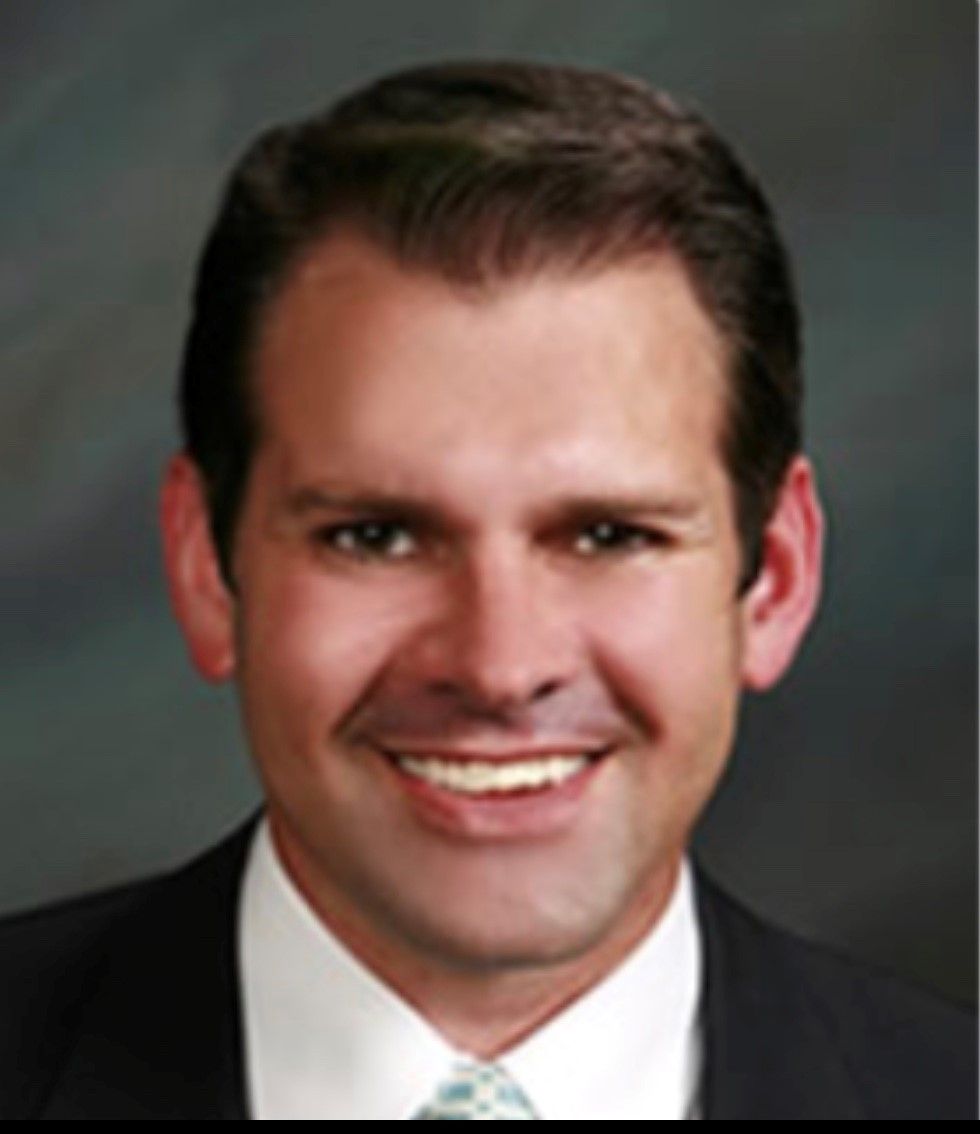
In today’s healthcare landscape, the integration of technology has brought revolutionary changes to diagnosis, treatment, and patient monitoring—particularly in cardiology. Yet amid the rise of wearable monitors, AI-powered diagnostics, and robotic-assisted procedures, Dr Ian Weisberg stands firm in his belief that the human element in medicine must never be overshadowed. A leading cardiac electrophysiologist, Dr Ian Weisberg advocates for an approach that blends advanced innovation with empathy and personalized care.
A New Era in Cardiac Treatment
Cardiology, and especially electrophysiology, has experienced remarkable growth thanks to technological advancements. Breakthroughs such as real-time 3D heart mapping, precision-guided catheter ablations, and implantable cardioverter-defibrillators (ICDs) have drastically improved outcomes for patients suffering from complex rhythm disorders like atrial fibrillation, ventricular tachycardia, and supraventricular tachycardia.
“Technology gives us tools that were once unimaginable,” explains Dr Ian Weisberg. “We can now visualize electrical activity in the heart with stunning clarity and accuracy. That allows us to treat dangerous arrhythmias before they become life-threatening.”
Remote monitoring and wearable devices have further extended the reach of cardiologists beyond the clinic. These devices collect real-time data, track patient vitals continuously, and allow for immediate intervention when abnormalities are detected.
Compassion as the Cornerstone of Care
Despite these remarkable tools, Dr Ian Weisberg emphasizes that medicine is not solely about devices and data. For him, it begins with understanding the patient behind the condition. Many people living with cardiac rhythm disorders face fear, anxiety, and uncertainty. Technical knowledge alone cannot ease those burdens—compassion and communication are essential.
“Machines don’t heal people—people do,” says Dr Ian Weisberg. “The emotional experience of illness is just as real as the physical symptoms. A doctor’s presence, words, and kindness often make the greatest difference.”
He is known for taking the time to listen, answer questions with patience, and explain complex procedures in ways that make sense to each individual. This empathetic approach not only builds trust but also leads to greater compliance with care plans and better long-term outcomes.
Tech That Works With the Patient
Where Dr Ian Weisberg excels is in using technology as a servant of patient-centered care—not a replacement for it. Whether it’s selecting a wearable monitor that fits into a patient’s lifestyle or adjusting a remote care plan based on personal preferences, his focus remains on enhancing comfort, safety, and empowerment.
“These innovations should reduce stress, not create it,” he says. “Every piece of technology should be deployed with the patient’s well-being in mind.”
He also ensures patients are active participants in their own care. By offering tools that deliver data directly to them, he encourages them to track their progress and understand how daily habits affect their heart health.
Shaping the Future of Medicine
Looking ahead, Dr Ian Weisberg envisions a healthcare system where technological sophistication and human compassion are in perfect harmony. He believes this balanced approach will define the next era of medical excellence.
“Real healing happens when we combine cutting-edge science with a genuine connection,” he notes. “That’s how we restore not only hearts, but also hope.”
Through his dedication to both the technical and emotional aspects of care, Dr Ian Weisberg continues to set a new standard in cardiology—one where patients feel seen, supported, and safe in every step of their journey.