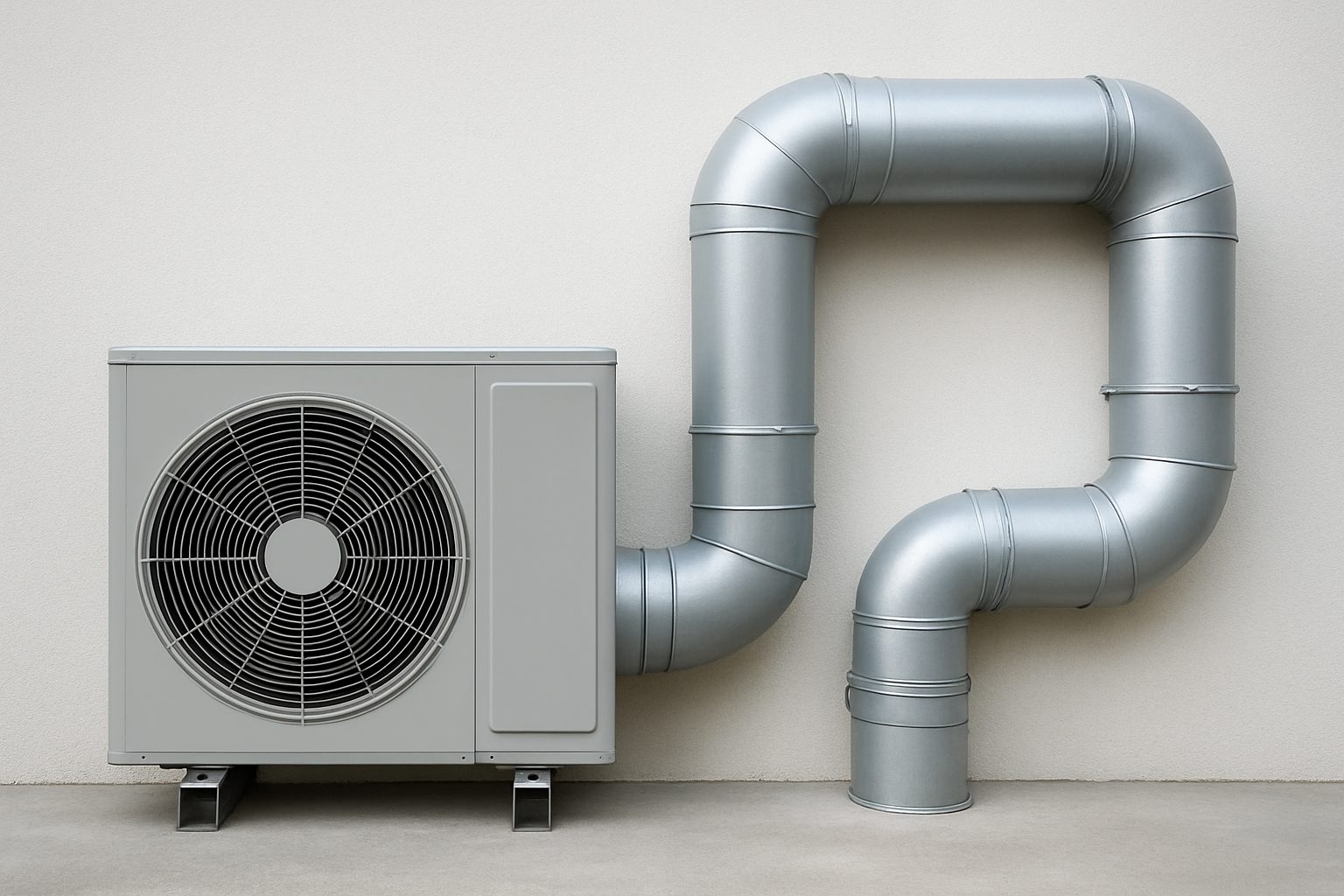
How do reliable HVAC systems contribute to better indoor comfort throughout the year?
Indoor comfort has become an important part of modern living, especially in regions where temperatures can shift across seasons. Homeowners and businesses increasingly focus on dependable heating, ventilation, and air conditioning systems to maintain balanced indoor environments. The demand for efficient climate solutions continues to grow as people seek healthier air quality, consistent temperatures, and improved energy management. Choosing professional hvac los angeles services helps property owners maintain comfortable spaces with systems designed for long-term performance and reliability.
A well-maintained HVAC system does more than regulate temperature. It supports better airflow, reduces indoor discomfort, and helps create an environment where families, employees, and visitors can feel comfortable throughout the year. With changing weather patterns and rising expectations for indoor quality, reliable HVAC solutions have become a valuable investment for residential and commercial properties.
Why are dependable HVAC solutions becoming more important for Los Angeles properties?
Los Angeles properties experience a variety of climate conditions, making efficient temperature control essential. During warmer months, cooling performance becomes a priority, while cooler periods require heating systems that deliver consistent warmth. A reliable HVAC setup allows buildings to adapt smoothly to seasonal changes without compromising comfort.
Industry observations show that indoor climate management plays a major role in overall building satisfaction. Many property owners now consider HVAC performance one of the key factors influencing energy efficiency, indoor air quality, and daily comfort. Modern solutions are designed to provide improved operation while supporting responsible energy use.
Professional HVAC planning also helps ensure that systems are properly matched to the size, structure, and needs of a property. This approach supports better results and helps prevent unnecessary strain on equipment.
What features define a high-quality HVAC system?
A high-quality HVAC system combines efficiency, durability, and advanced performance. Today’s systems are developed with features that help maintain steady temperatures while using energy more effectively. Smart controls, improved filtration, and enhanced airflow management are among the features that contribute to better indoor experiences.
Statistics from the building and energy sectors consistently highlight the importance of efficient equipment in reducing operational challenges. Systems that receive proper installation and regular attention often provide more reliable performance compared with units that are neglected.
Another important feature is adaptability. Every property has different requirements based on layout, usage, insulation, and occupancy. Reliable HVAC solutions focus on customized approaches rather than one standard method, allowing each space to receive the comfort level it needs.
How does regular HVAC maintenance improve system performance?
Regular maintenance is one of the most effective ways to support HVAC reliability. Preventive care allows potential issues to be identified early, helping maintain smooth operation and consistent comfort. Routine inspections, cleaning, and performance checks contribute to better system efficiency over time.
Research within the HVAC industry shows that well-maintained systems generally experience fewer performance disruptions and operate more effectively. Maintenance also supports cleaner airflow by keeping important components in better condition.
For property owners, scheduled maintenance provides confidence that their heating and cooling systems are prepared for seasonal demands. Instead of waiting for unexpected problems, proactive care creates a more dependable indoor environment.
What role does indoor air quality play in modern HVAC solutions?
Indoor air quality has become a major consideration for homes and workplaces. People spend significant amounts of time indoors, making clean and comfortable air an important part of everyday living. HVAC systems support indoor air quality by managing ventilation, airflow circulation, and filtration.
Modern HVAC solutions are designed to help reduce airborne particles and improve overall freshness inside buildings. Better air circulation can contribute to a more pleasant environment while supporting healthier spaces.
As awareness of indoor air quality continues to increase, many property owners are prioritizing systems that provide both temperature control and improved air management. This trend reflects a broader movement toward creating more comfortable and efficient indoor spaces.
How can energy-efficient HVAC systems benefit property owners?
Energy efficiency has become a leading priority for residential and commercial buildings. Efficient HVAC systems help manage energy consumption while maintaining the desired indoor temperature. This balance allows property owners to enjoy comfort while making responsible choices regarding energy use.
Industry data shows that heating and cooling systems represent a significant portion of building energy usage. Because of this, selecting efficient equipment and maintaining proper operation can make a meaningful difference in overall performance.
Energy-efficient HVAC solutions also support long-term value. When systems operate smoothly, they can provide reliable comfort while helping property owners manage operating expenses more effectively.
Why is professional HVAC installation important?
Proper installation plays a critical role in HVAC performance. Even advanced equipment may not deliver expected results if it is not installed correctly. Professional installation ensures that systems are positioned, connected, and configured according to property requirements.
A carefully planned installation process helps improve airflow balance, system efficiency, and overall reliability. Professionals evaluate important factors such as building design, system capacity, and comfort goals before completing installation.
The quality of installation often influences the future performance of an HVAC system. A strong foundation allows equipment to operate efficiently and supports dependable comfort for years.
How do modern HVAC technologies improve user experience?
Technology has transformed the way people manage indoor environments. Smart HVAC controls allow users to adjust settings more conveniently and create personalized comfort preferences. These advancements make climate management simpler and more efficient.
Modern systems often include automated features that help monitor performance and improve operation. These tools provide greater control while supporting energy-conscious habits.
The continued development of HVAC technology reflects the growing demand for convenience, efficiency, and reliability. Property owners now have access to solutions that combine comfort with smarter management options.
What makes HVAC solutions suitable for both homes and businesses?
Reliable HVAC systems are important for many types of properties, including houses, offices, retail spaces, and commercial buildings. Each environment has unique comfort requirements, but the goal remains the same: creating a stable and pleasant indoor atmosphere.
Residential HVAC solutions focus on family comfort, consistent temperatures, and improved air quality. Commercial systems often require additional planning to support larger spaces and higher usage levels.
Professional HVAC providers understand these differences and create solutions based on individual property needs. This personalized approach helps ensure better performance and satisfaction across different applications.
How can property owners choose the right HVAC approach?
Selecting the right HVAC solution requires careful consideration of several factors. Property size, comfort expectations, energy goals, and system requirements all influence the best choice. A thoughtful evaluation helps identify solutions that provide lasting benefits.
Professional guidance can simplify the decision-making process by explaining available options and recommending suitable approaches. This allows property owners to make informed choices based on their specific needs.
The right HVAC strategy focuses on reliability, efficiency, and future performance. A well-planned system can provide consistent comfort while supporting the long-term value of a property.
What future trends are shaping HVAC comfort solutions?
The HVAC industry continues to evolve with a focus on efficiency, sustainability, and smart technology. Future solutions are expected to provide even greater control, improved performance, and enhanced energy management.
Growing interest in environmentally responsible practices is encouraging the development of advanced systems that balance comfort with efficiency. Technology-driven features are also expected to become more common as users look for convenient ways to manage indoor environments.
These trends demonstrate that HVAC solutions are moving beyond basic heating and cooling. They are becoming complete comfort systems designed to support modern lifestyles and changing expectations.
Conclusion
Reliable HVAC solutions are essential for maintaining comfortable indoor spaces throughout the year. From improved air quality and energy efficiency to advanced technology and professional maintenance, modern HVAC systems provide valuable benefits for both residential and commercial properties.
As comfort expectations continue to rise, investing in dependable HVAC solutions helps create environments that feel balanced, efficient, and welcoming. With proper planning, quality installation, and regular care, HVAC systems can deliver consistent performance and support year-round indoor comfort for many years.


